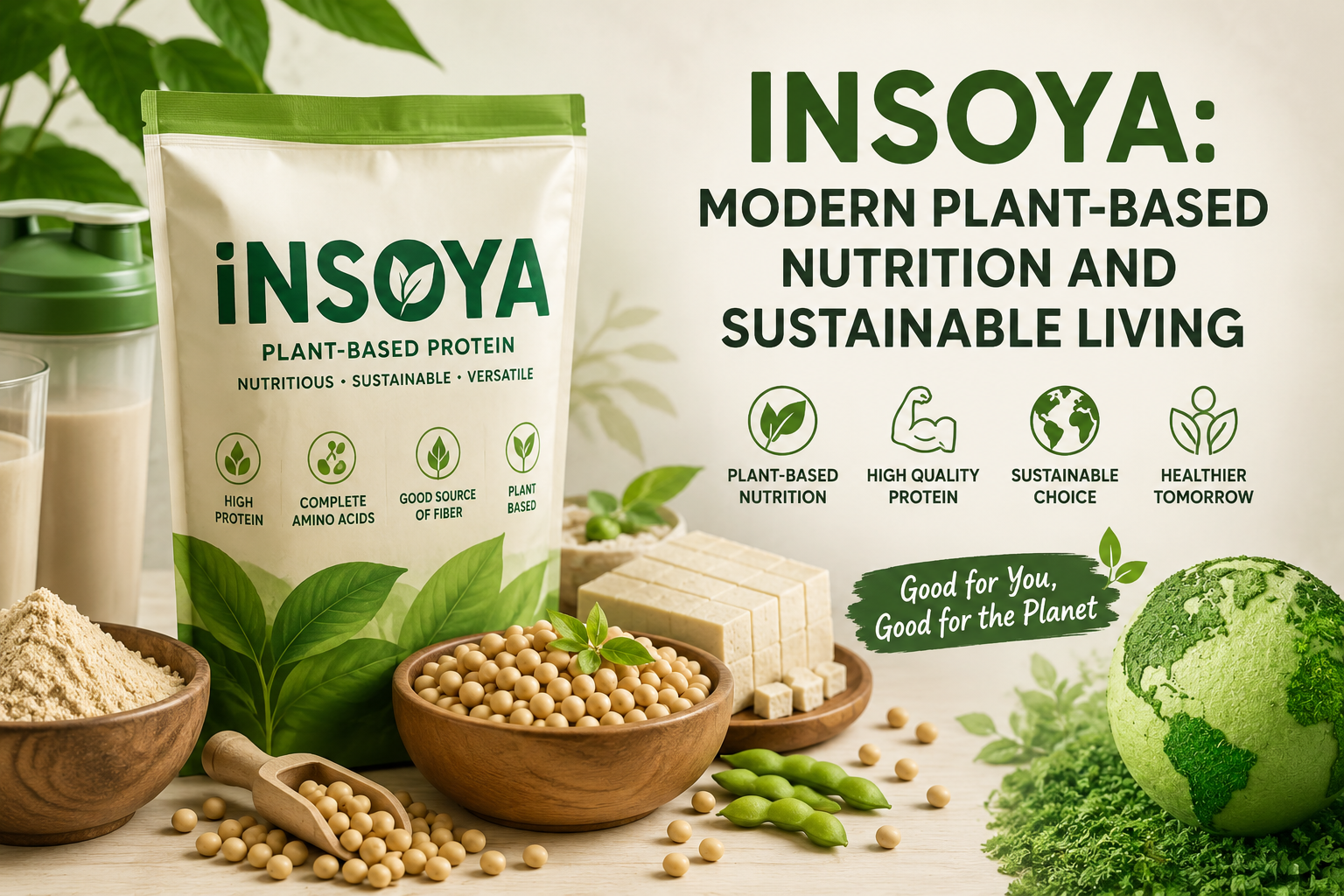
Insoya: Modern Plant-Based Nutrition and Sustainable Living
Insoya is an emerging term in modern plant-based nutrition, referring to innovative soy protein solutions designed for today’s health-conscious consumers. As interest in sustainable eating continues to grow, many people are searching for alternatives that provide high-quality protein while supporting environmental responsibility. Although it is not yet a universally standardized product category, it is commonly used to describe enhanced soy-based products that focus on improved nutrition, better digestibility, and greater versatility.
Built on soy’s long-established reputation as a complete plant protein, it represents a modern approach to plant-based eating. Through advanced processing methods and nutrient-focused formulations, products associated with Insoya aim to deliver convenient, protein-rich options for vegans, vegetarians, flexitarians, athletes, and anyone looking to adopt a healthier lifestyle. This article explores what it is, its key features, nutritional value, potential benefits, practical uses, and its growing role in sustainable living.
What Is Insoya?
It is commonly used to describe an innovative soy-based protein product or concept that combines the natural nutritional benefits of soybeans with modern food technology. Unlike traditional soy foods, which have remained largely unchanged for centuries, products associated with it often focus on improving functionality, nutritional value, convenience, and consumer experience.
Rather than representing one specific product, Insoya generally refers to soy protein ingredients that may undergo processes such as fermentation, protein concentration, or nutrient fortification. Depending on the manufacturer, these products can be available in several forms, including powders, chunks, granules, flour, and ready-to-use ingredients.
The popularity of it reflects changing consumer preferences. People today seek foods that provide complete nutrition while fitting into busy lifestyles and supporting environmental sustainability. As a result, soy continues to evolve from a traditional ingredient into a modern nutritional solution.
The Evolution of Soy-Based Nutrition
Soybeans have been cultivated for thousands of years and remain one of the world’s most important plant-based food sources. Traditional soy products such as tofu, tempeh, soy milk, miso, and soy flour have long provided affordable, high-quality protein for millions of people.
As scientific understanding of nutrition advanced, food manufacturers began developing more specialized soy ingredients capable of serving different dietary needs. Protein concentrates, soy isolates, textured vegetable protein, fortified soy foods, and functional protein blends became increasingly common.
It represents this ongoing evolution by combining soy’s nutritional strengths with modern processing methods that improve versatility, texture, and convenience.
Growing interest in wellness, fitness, sustainability, and plant-based eating has further accelerated demand for innovative soy products that support balanced nutrition without relying heavily on animal-derived proteins.
Key Features of Insoya
Several characteristics commonly distinguish products marketed under the Insoya concept.
High-Quality Plant Protein
Soy naturally contains all nine essential amino acids, making it one of the few plant proteins classified as complete. This makes soy an excellent choice for supporting daily protein requirements and maintaining muscle health.
Nutrient-Enriched Formulations
Many it products are fortified with nutrients that may include vitamin B12, calcium, iron, vitamin D, and magnesium. These additions help support balanced nutrition, particularly for individuals following plant-based diets.
Improved Digestibility
Some modern soy products use fermentation or advanced processing techniques to improve digestibility and reduce naturally occurring compounds found in raw soybeans. These methods may also improve flavor and texture.
Multiple Product Formats of Insoya
Depending on the manufacturer, its products may be available as:
- Protein powders
- Granules
- Chunks
- Flour
- Functional food ingredients
- Ready-to-cook products
This versatility allows consumers to include soy protein in a wide range of meals.
Nutritional Profile of Insoya
One of Insoya’s greatest strengths is its nutrient density.
Complete Protein
Soy protein supplies all essential amino acids required for normal body functions. Protein contributes to muscle maintenance, enzyme production, tissue repair, and immune system function.
Dietary Fiber
Many soy products also provide dietary fiber, which supports digestive health and contributes to feelings of fullness after meals.
Healthy Unsaturated Fats
Soy contains predominantly unsaturated fats while naturally remaining cholesterol-free. These fats fit well within balanced dietary patterns.
Vitamins and Minerals
Fortified soy products may provide nutrients such as calcium, iron, magnesium, zinc, and B vitamins that support energy production, bone health, and normal metabolic function.
Naturally Occurring Plant Compounds
Soybeans naturally contain isoflavones, which have been widely studied for their role in soy-based nutrition and continue to attract scientific interest.
Potential Health Benefits of Insoya
When included as part of a balanced diet, soy-based foods associated with Insoya may provide several nutritional advantages.
Muscle Growth and Recovery
Complete protein helps maintain lean muscle mass and supports recovery following physical activity. This makes soy protein suitable for athletes, active individuals, and older adults seeking adequate protein intake.
Heart-Conscious Nutrition
Soy-based foods are naturally free of cholesterol and generally lower in saturated fat than many animal protein sources. Replacing some animal proteins with soy products may contribute to healthier eating patterns.
Digestive Support of Insoya
Dietary fiber promotes digestive regularity and supports overall gut health. Improved processing techniques used in some products may also enhance digestibility.
Weight Management
Protein and fiber work together to increase satiety, helping individuals feel satisfied for longer periods after eating. This can support healthy eating habits and weight management goals.
Bone and Overall Wellness
Fortified products that contain calcium and vitamin D can contribute to normal bone maintenance, while iron and vitamin B12 help support healthy blood cell production and energy metabolism.
Common Applications of Insoya
One of the reasons soy remains popular is its versatility across many types of foods.
Plant-Based Meat Alternatives
Soy protein is commonly used in burgers, meatballs, sausages, stir-fries, tacos, and other meat-free dishes because of its texture and high protein content.
Dairy Alternatives
Soy-based ingredients are frequently used to produce milk alternatives, yogurt, cheese substitutes, and frozen desserts for consumers seeking dairy-free options.
Insoya Protein Supplements
Protein powders can be blended into smoothies, oatmeal, baked goods, pancakes, and nutrition bars to increase protein intake conveniently.
Functional Foods
Manufacturers increasingly incorporate soy protein into breakfast cereals, snack bars, ready-to-drink beverages, and meal replacement products.
Home Cooking
Soy ingredients are suitable for soups, curries, casseroles, pasta dishes, salads, and baked recipes, making them easy to incorporate into everyday meals.
Insoya and Sustainable Living
Environmental sustainability has become one of the primary reasons consumers choose plant-based nutrition.
Producing soy protein generally requires fewer natural resources than raising livestock. Compared with many animal protein sources, soy cultivation typically uses less land and water while generating fewer greenhouse gas emissions.
Plant-based diets can also contribute to more efficient food systems capable of supporting growing global populations.
For consumers concerned about environmental responsibility, products associated with Insoya represent another way to combine personal nutrition with more sustainable food choices.
Compared with Other Soy Products
Although it shares many characteristics with traditional soy foods, understanding the differences can help consumers make informed choices.
Tofu is made from coagulated soy milk and is valued for its versatility.
Tempeh is a fermented whole-soy product known for its firm texture and distinctive flavor.
Soy Protein Isolate is a highly refined protein ingredient commonly used in sports nutrition.
Textured Vegetable Protein (TVP) is designed primarily as a meat substitute.
Depending on the specific formulation, products associated with Insoya may combine elements of several of these products while adding nutrient fortification or enhanced processing techniques.
Who Can Benefit from Insoya?
Insoya may be suitable for a wide range of consumers, including:
- Vegans and vegetarians seeking complete plant protein.
- Athletes require convenient post-workout nutrition.
- Busy professionals need quick meal solutions.
- Families looking to include more plant-based foods.
- Older adults aiming to maintain adequate protein intake.
- Individuals are reducing their meat consumption while maintaining nutritional balance.
Factors to Consider Before Choosing
Before purchasing any soy-based product, consumers should carefully review:
- Ingredient quality
- Protein content
- Added vitamins and minerals
- Product certifications
- Manufacturing standards
- Storage instructions
- Expiration dates
Individuals with soy allergies should avoid soy-based foods and consult healthcare professionals before making dietary changes.
Challenges and Limitations of Insoya
Like any food product, it has limitations.
Soy allergies remain an important consideration for sensitive individuals.
Nutritional composition may vary between manufacturers because products marketed under the Insoya name are not standardized.
In addition, plant-based proteins should be viewed as one component of a varied, balanced diet rather than a complete nutritional solution on their own.
Future Outlook
The future of plant-based nutrition continues to look promising.
Advances in food science are expected to improve taste, texture, nutritional quality, and sustainability across soy-based products. Manufacturers are also exploring cleaner ingredient labels, improved packaging, and more personalized nutrition solutions.
As consumer demand for environmentally responsible and protein-rich foods continues to grow, concepts such as Insoya are likely to remain part of the broader evolution of plant-based nutrition.
Conclusion
It represents a modern approach to soy-based nutrition by combining the natural benefits of soy with innovations in food processing and product development. Although the term is still emerging and product formulations may differ among manufacturers, it is widely associated with high-quality plant protein, nutritional versatility, and sustainable food choices.
From protein supplements and meat alternatives to dairy-free products and functional foods, Insoya demonstrates how traditional soy continues to evolve to meet changing consumer expectations. Its combination of complete protein, dietary fiber, essential nutrients, and flexible applications makes it an appealing option for individuals pursuing healthier lifestyles and more environmentally conscious diets.
As plant-based eating continues to expand worldwide, informed purchasing decisions remain essential. Reading ingredient labels, comparing nutritional information, and selecting products that align with individual dietary needs will help consumers gain the greatest value from soy-based nutrition. With continued innovation and growing awareness, it reflects the ongoing transformation of modern food toward a future that supports both personal wellness and sustainable living.